
Add Row
Add Element
Stingray Studio Media Logo
update

Stingray Studio Media

update
Add Element
  • Home
  • Categories
    • Corvette history
    • Corvette stories
    • performance modifications
    • performance reviews
    • Corvette ownership
    • Community events
    • Clubs & Organizations
  • Featured Dealership Spotlights
  • Corvette Shop Directory
  • Showroom & Car Lot Listings
Add Element
  • update
  • update
  • update
  • update
  • update
  • update
  • update
June 06.2025
3 Minutes Read

Discover the Timeless Appeal of the 1981 Corvette

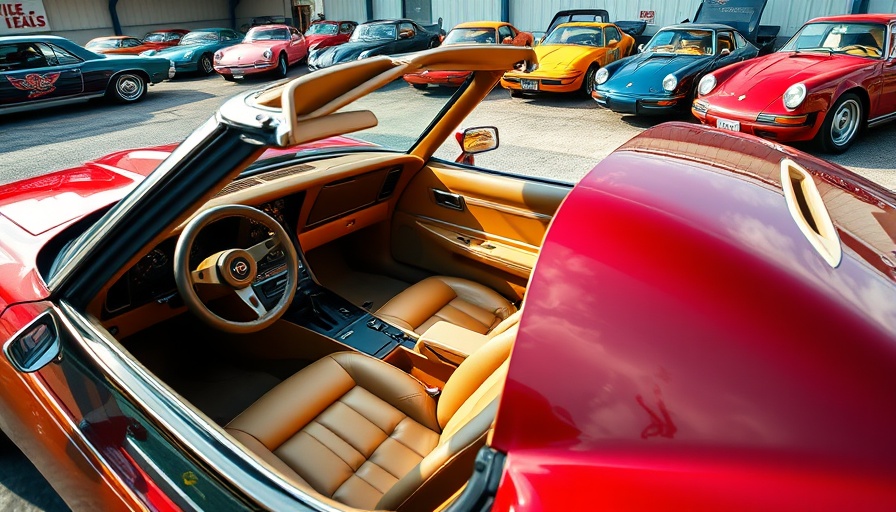
1981 Corvette interior and exterior at auction, tan and maroon details.

The Allure of the 1981 Corvette: A Timeless Classic

The 1981 Corvette stands out not only as a hallmark of American engineering but as a testament to the shifting paradigms of performance and luxury in the automotive world. With an odometer reading of just 39,018 miles, this specific model, cloaked in a stunning burgundy exterior over a tan interior, retains a sense of exclusivity and nostalgia that appeals to car enthusiasts. But what truly makes the 1981 Corvette a coveted addition to any collection?

In 1981 Corvette, we explore key insights into a classic that still captivates enthusiasts today.

A Brief Look Back: Corvette's Legacy

The Corvette's history goes back to its inception in the early 1950s, steadily evolving through various generations. By 1981, the Corvette had navigated through several design and performance changes, which revealed the brand's resilience and adaptability in a rapidly changing automotive landscape. As one of the last models of the C3 generation, the 1981 Corvette is often regarded as a bridge between the classic designs of the past and the more modern, performance-oriented vehicles that followed.

Performance Meets Design: What Sets It Apart?

One of the defining features of the 1981 Corvette is its blend of performance with refined luxury. Equipped with an automatic transmission, it was designed to deliver a user-friendly driving experience without sacrificing power. The model’s 350 cubic inch engine may not be the most powerful in the Corvette lineage, but it provides a respectable performance output that was appreciated during its time.

The exterior design features the sleek lines typical of Corvettes, combined with a more refined interior that may appeal to a broader audience, enhancing its status as a luxury sports car. The color combination of burgundy and tan is not just visually striking but also a testament to the era’s aesthetic preferences, targeting buyers looking for style as much as substance.

Why Collect? The Emotional Connection

Collecting vehicles like the 1981 Corvette isn't merely about possession; it's also about heritage and connection. Owning a Corvette, particularly an earlier model, offers enthusiasts a tangible link to automotive history. It evokes fond memories of weekend drives, car shows, and the camaraderie shared among fellow owners.

For many, driving a Corvette is more than just a joyride; it’s an expression of individuality and status. The distinct design and performance capabilities create a unique experience behind the wheel, turning mundane drives into an exhilarating adventure. As such, the 1981 Corvette often serves as a focal point for bonds among collectors and car clubs, fostering a community built on shared passions.

Current Trends in Corvette Collecting

As we look at the current market for classic Corvettes, there’s a growing interest in models like the 1981 variant. Collectors are increasingly shifting their focus from just performance cars to those with unique stories and designs that resonate with personal experiences or cultural moments. This boom means that well-maintained models with low mileage, like this burgundy wonder, are becoming hot commodities.

The allure of the 1981 model extends beyond mere nostalgia; it appeals to modern sensibilities. With a push towards sustainable practices and electric vehicles, the classic Corvette retains a romanticized position in the automotive world—symbolizing an era where performance was king.

Join the Community: Embrace the Corvette Culture

Whether you're an experienced collector or new to the automotive scene, engaging with Corvette communities can significantly enrich your ownership experience. Local car shows, online forums, and social media groups provide platforms to learn, share insights, and even arrange meet-ups with fellow enthusiasts. These spaces create opportunities for deeper appreciation and understanding of what makes the Corvette not just a car, but an experience.

By participating in these communities, you can also gain insights into the best practices for maintenance and modifications that will not only preserve your vehicle's value but enhance its performance. Connecting with supporters of this remarkable lineage can lead to lifelong friendships anchored by shared passions.

In summary, the 1981 Corvette is more than just a vehicle; it's a symbol of ambition, community, and the fascinating intersection of performance and luxury. It invites enthusiasts to delve deeper into its legacy while inspiring a new generation to appreciate classic American craftsmanship.

**Call to Action:** If you’re eager to dive into the world of Corvette ownership and experience the exhilarating journey firsthand, consider joining a local car club today! Not only will you get to meet fellow enthusiasts, but you’ll also uncover a wealth of knowledge and stories that enrich the Corvette experience.

Corvette history

9 Views

0 Comments

Write A Comment

*
*
Please complete the captcha to submit your comment.
Related Posts All Posts
04.07.2026

Unleashing the Power of the 1970 Corvette 454 at Daytona Turkey Run

Update The Legacy of the 1970 Corvette 454: A Glimmer in Automotive History The 1970 Corvette 454 is more than just a car; it symbolizes a golden era of American muscle and sophisticated design. As featured at the Daytona Turkey Run, this iconic vehicle showcases the pinnacle of what performance engineering was capable of in the 1970s. With its powerful 454 cubic inch V8 engine, it marked a time when horsepower and torque ruled the roads, making every drive an exhilarating experience.In 1970 Corvette 454 @ Daytona Turkey Run, the discussion dives into this iconic muscle car's powerful legacy and unique features, exploring key insights that sparked deeper analysis on our end. The Allure of Muscle Cars in the Automotive World For car enthusiasts, the muscle car is not simply about speed; it’s about the thrill of the ride and the emotions it evokes. The aggressive styling of the 1970 Corvette 454, with its long hood and sleek lines, captures attention from afar. When you hear the growl of its engine, the grip of the steering wheel, and feel the rush of acceleration, it’s hard not to fall in love with the entire package. For many, owning such a vehicle is not only a hobby but also a lifestyle choice that embodies freedom and raw power. Performance Features That Stand the Test of Time The 1970 Corvette 454 delivers a perfect blend of performance and style. With an impressive 390 horsepower under the hood, coupled with a lightweight fiberglass body, it gave drivers an experience that was unmatched at the time. This car was engineered for speed, agility, and grace, making it a sought-after choice for racing enthusiasts at events like the Daytona Turkey Run. Its unique fuel injection system also set it apart, enhancing not only performance but fuel efficiency compared to its contemporaries. A Brief History Marked by Innovations Understanding the history behind the Corvette elevates the appreciation for models like the 1970 454. From its inception in the early 1950s, the Corvette has been synonymous with American ingenuity and aspiration. Each generation brought forth innovations, but the 1970 model is particularly notable due to the integration of performance enhancements and luxury features designed for comfort. The 1970 Corvette illustrates how engineering advancements can reshape the identity of a brand. Current Trends in the Muscle Car Market Today, muscle cars have experienced a resurgence, with a growing number of vintage car enthusiasts investing in classic vehicles like the 1970 Corvette 454. Events such as the Daytona Turkey Run raise awareness and appreciation for these magnificent machines, fostering a community that cherishes automotive history. There’s a clear trend that shows younger generations becoming interested in cars that once defined luxury and performance in their heyday. For car enthusiasts, understanding and owning classics not only preserves history but also enhances the enjoyment of driving. What Makes the 1970 Corvette 454 a Gem? The uniqueness of the 1970 Corvette 454 lies not just in its performance but in the satisfaction of ownership. Car enthusiasts value the craftsmanship, the storied past, and the admiration of fellow enthusiasts when they take the wheel of a Corvette. Its distinctive presence on the road makes a statement and secures its place as a status symbol amongst luxury automobiles. Moreover, this car brings nostalgia that resonates deeply with those who experienced the muscle car era firsthand, while simultaneously attracting a new audience that appreciates its rich legacy. Join the Community of Corvette Enthusiasts For those captivated by the 1970 Corvette 454 and its legacy, engaging with local clubs and organizations can enhance your ownership experience. These communities offer a network of like-minded individuals who appreciate stunning automobiles and share insights on maintenance, modifications, and driving experiences. Whether you aspire to restore your vehicle or simply enjoy showcasing it at events, joining a Corvette club can solidify your passion and knowledge for this iconic masterpiece.

04.02.2026

Unleashing the Legacy of the 1959 Chevrolet Corvette Custom for Performance

Update Reimagining a Classic: The 1959 Chevrolet Corvette Custom The allure of classic cars is undeniable, and nothing encapsulates this sentiment quite like the 1959 Chevrolet Corvette. Today’s enthusiasts are drawn to this gorgeous vehicle not just for its vintage aesthetic but for its remarkable blend of old-school charm and modern performance. Featured on Bring a Trailer, this custom Corvette has been meticulously restored and upgraded for those who appreciate nostalgia paired with cutting-edge technology. Modern Performance Under the Hood This 1959 Chevrolet Corvette is powered by a robust 6.2-liter LS3 V8 engine, a significant upgrade from the original small-block engine. The LS3 offers a formidable punch with 430 horsepower, channeling power effectively through a five-speed manual transmission to the rear wheels. This updated drivetrain transforms the classic driving experience, granting reliability and performance that matches contemporary sports cars. Striking Aesthetics: Where Classic Meets Contemporary The body showcases a vibrant yellow finish complemented by the traditional white coves, strategically retaining the iconic C1 silhouette. The bespoke enhancements reflect the expertise of talented restorers who have retained classic exterior features such as quad headlights and chrome bumpers while subtly infusing modern elements. For example, the addition of 17-inch Billet Specialties wheels and 235/45 BFGoodrich g-Force tires not only boosts performance but also enhances the vehicle's overall aesthetic appeal. A Cabin Designed for Comfort and Style Stepping inside reveals a cabin that harmonizes retro charm with modern convenience. The interior features custom tan upholstered bucket seats adorned with reptile-pattern inserts, reinforcing the car's luxury vibe. Drivers will appreciate the AutoMeter Carbon Fiber Ultra-Lite gauges and a dual-electronics sound system, which includes a Rockford Fosgate subwoofer, seamlessly blending nostalgia with today’s connectivity options. The Evolution of the Corvette: A Look Back The 1959 model year was significant in the evolution of the Corvette. While the late 1950s saw other manufacturers opting for extravagant design features, Chevrolet chose a more understated elegance with the Corvette. This divergence in style hinted at the Corvette's future design philosophy, emphasizing agility, performance, and refinement. Custom Restorations: A Growing Trend Among Car Enthusiasts The push towards custom restorations is a growing trend among car enthusiasts who desire to blend modern technology with classic designs. Companies like Apex Customs have restored similarly vintage models, adapting new technologies to enhance power, comfort, and reliability without compromising the timeless design that fans cherish. Exceptional work often includes re-engineering under the hood and upgrading the interiors without losing the vehicle's original essence. Seeking Your Own Classic Corvette For those looking to buy, the Corvette market is vast. Whether you’re hunting for a classic piece or a newly restored gem, options abound for every budget. Communities frequently discuss listings ranging from iconic models like the 1968 Chevy Corvette to modern adaptations. For potential buyers eager to own a piece of history, a simple search for a "chevrolet corvette dealer near me" could yield exciting opportunities to find the perfect ride. Conclusion: Embrace the Legacy The 1959 Chevrolet Corvette Custom stands as a hallmark of what is possible when tradition meets innovation. It invites car enthusiasts to embrace a vehicle that offers not just a drive, but an experience steeped in history and modern performance. Whether for leisure, status, or the sheer joy of driving, this Corvette embodies the spirit of the open road. Now is the perfect time to consider options like the 2024 Chevrolet Corvette for sale or explore classic used models. Dive into the vibrant community around Corvette enthusiasts and enjoy the journey of ownership!

03.30.2026

Unveiling the Cheetah V8: The Chevy Rival to the Cobra

Update The Cheetah: A Race Car Born From Necessity In the early 1960s, as the iconic Carroll Shelby Cobra began to dominate race circuits and draw attention away from Chevrolet’s powerful Corvette, American auto enthusiasts witnessed the birth of a thrilling competitor: the Bill Thomas Cheetah. Designed in Anaheim, California, this unconventional sports car was both a response to the competitive pressure exerted by the Cobra and a testament to innovative engineering in an era defined by performance and design. Bill Thomas and His Vision Bill Thomas, a self-taught engineer known as "Mr. Corvette," turned the tides in Chevrolet’s racing ambitions. With nearly a century of victories in Corvettes to his name, Thomas saw a gap in GM’s lineup when the Shelby Cobra, powered by Ford, began outpacing the Corvette. He approached Chevrolet with a plan to create a lightweight sports car that could rival the Cobra while flying under GM's self-imposed racing ban. This collaboration would lead to the creation of the Cheetah. A Unique Design That Defied Expectations The Cheetah’s design was revolutionary for its time. It featured a mid-engine layout that positioned the driver directly behind the powerful Chevrolet V8 engine. This configuration offered superior weight distribution, enhancing handling on the race track. The Cheetah’s construction utilized a chrome-moly tubular chassis and independent suspension borrowed from Corvettes, which helped maintain its light weight of around 1,520 pounds—including parts from GM like spindles and brakes for balanced performance. Performance Meets Aesthetic Once production commenced, the Cheetahs adopted fiberglass bodies after initial prototypes featured aluminum exteriors. The innovative design also included gull-wing doors for easy entry and exit. This style not only showcased the mid-century excitement for sports cars but also contributed to the Cheetah's status as a collector’s dream. With just 11 units produced, spotting a Cheetah today is irresistible for automotive enthusiasts. Cheetah vs. Cobra: An Unofficial Rivalry The Cheetah, known for its raw power and unique aesthetics, boasted impressive specifications, sporting a fuel-injected 327-cubic-inch V8 paired with an aluminum Corvette four-speed transmission. Although the Cheetah rarely raced directly against a Cobra under sanctioned conditions due to its limited production—initially stocked at just under 1000 units to comply with competition rules—it nonetheless made waves in various motorsport events, securing numerous victories. By utilizing a direct connections from the powertrain to the rear differential, the designers eliminated the driveshaft, allowing for lighter construction and increased speed. Legacy of Innovation The legacy of the Cheetah continues to resonate today, as enthusiasts and collectors strive to uncover pieces of this automotive history. Its design and performance innovations influenced future generations of vehicle manufacturing. Today, owners of fully restored or original models can showcase their prized Cheetahs at auctions, celebrating the remarkable engineering and design that set these vehicles apart from the ordinary. Cars like the Cheetah remind us of the inventive spirit that fuels the American automotive industry. Why Know About the Cheetah? For car enthusiasts, understanding the story of the Cheetah means appreciating the rich history of American sports cars, the rivalry of the Shelby Cobra, and the innovations that define high-performance vehicles today. Being knowledgeable about such unique automotive history is valuable not just for trivia but also for fostering discussions in various car communities. If you’re seeking a unique vehicle with a captivating background, don’t hesitate to inquire at your nearest Chevrolet dealership to discover a range of iconic models, including the Cheetah’s present-day descendants. As the automotive landscape evolves with new technologies and designs, the essence captured in vehicles like the Cheetah remains relevant. Dive deeper into the world of high-performance cars and keep an eye on auctions for rare finds. Who knows, the next Cheetah might be just around the corner!

Terms of Service

Privacy Policy

Core Modal Title

Sorry, no results found

You Might Find These Articles Interesting

T
Please Check Your Email
We Will Be Following Up Shortly
*
*
*