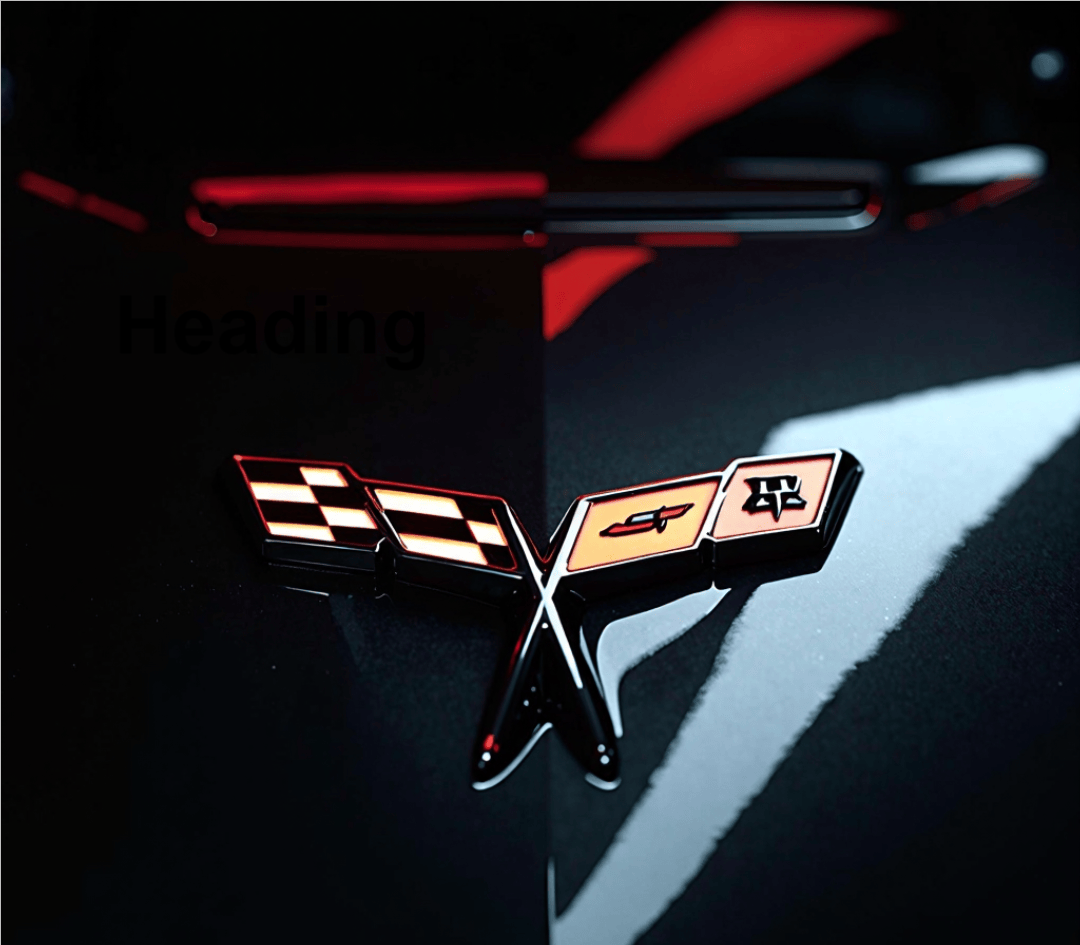



Revving Up the Corvette's Legacy
In the late 1950s, a groundbreaking shift took place in automotive design—a shift driven by women. Under the direction of legendary stylist Harley Earl, General Motors introduced what would become known as the “Damsels of Design.” This pioneering team included women from various creative fields, including fashion and architecture, who were tasked with reimagining how cars interacted with their drivers. The result was more than just beautiful cars; it was a revolution in thinking that resonated with functionality, comfort, and a focus on the female driver.
A Closer Look at the Damsels' Impact on Design
The Damsels of Design were meticulously selected for their skill and expertise, not as a nod to novelty. Their innovative contributions focused on practicalities often overlooked by their male counterparts—like storage solutions for bags, ergonomic control placements, and features that catered to drivers of different heights. A standout among their works was the customized Corvette named Fancy Free, which highlighted not only performance but also comfort, featuring design elements like a purse storage area and subtle interior modifications. This marked a significant step toward inclusivity in automotive design, giving women a well-deserved voice in a predominantly male industry.
A Historic Automotive Exhibition: The Spring Fashion Festival
In 1958, the Damsels showcased their creativity during the Spring Fashion Festival of Women Designed Cars. This unique exhibition brought a series of tailored vehicles to the public eye, where attendees could appreciate the influence of women in shaping automotive aesthetics. With lavish displays of colors and materials, the festival reflected a broader social shift as car manufacturers began to realize the importance of appealing not just to men, but also to women, who were increasingly becoming the primary purchasers of family vehicles. The event showcased cars that bore personal touches and thoughtful adjustments, underscoring the idea that a car could be both functional and reflective of the driver's lifestyle.
The Lasting Influence of the Damsels
Although the Damsels of Design program dissolved after Earl's retirement, its impact resonated throughout the automotive industry. Features such as retractable seat belts, ample storage options, and makeup mirrors became staples in later models, translating the Damsels' vision into enduring vehicle features. Notably, Ruth Glennie's Fancy Free Corvette embodies this legacy of balance between functionality and iconic design, appealing to drivers of both genders.
Empowering Women in Automotive Design
The legacy of the Damsels shines a light on the importance of diverse perspectives in creative industries. Their groundbreaking work opened doors for future generations of female designers, proving that innovation thrives when varied experiences are brought to the table. Today, the automotive field continues to evolve, yet the fundamental lessons learned from the Damsels remain significant. Their story is not just about cars; it’s about breaking barriers and reshaping industries through collaborative vision and ingenuity.
The Corvette: A Story of Continuous Evolution
The Corvette stands as a symbol of the merging of artistry and engineering excellence, constantly reinventing itself to meet the needs of drivers. While technical specifications and performance metrics are essential, the aesthetics and user experience are equally crucial, thanks to early programs like that of the Damsels of Design. As car enthusiasts continue to celebrate the rich history of the Corvette, the contributions of women in its storytelling and design should not go overlooked.
Conclusion: Celebrate the Journey
To truly appreciate the evolution of the Corvette and its design legacy, it’s vital to explore stories such as those of the Damsels of Design. They not only shaped an iconic vehicle but also marked an important chapter in the integration of broader perspectives within the automotive industry. For car enthusiasts and designers alike, understanding this history enhances the appreciation of the luxury and performance vehicles on the market today.
As you delve into the history, consider how design continues to evolve. Join the conversation about inclusivity and innovation in automotive design.


Write A Comment