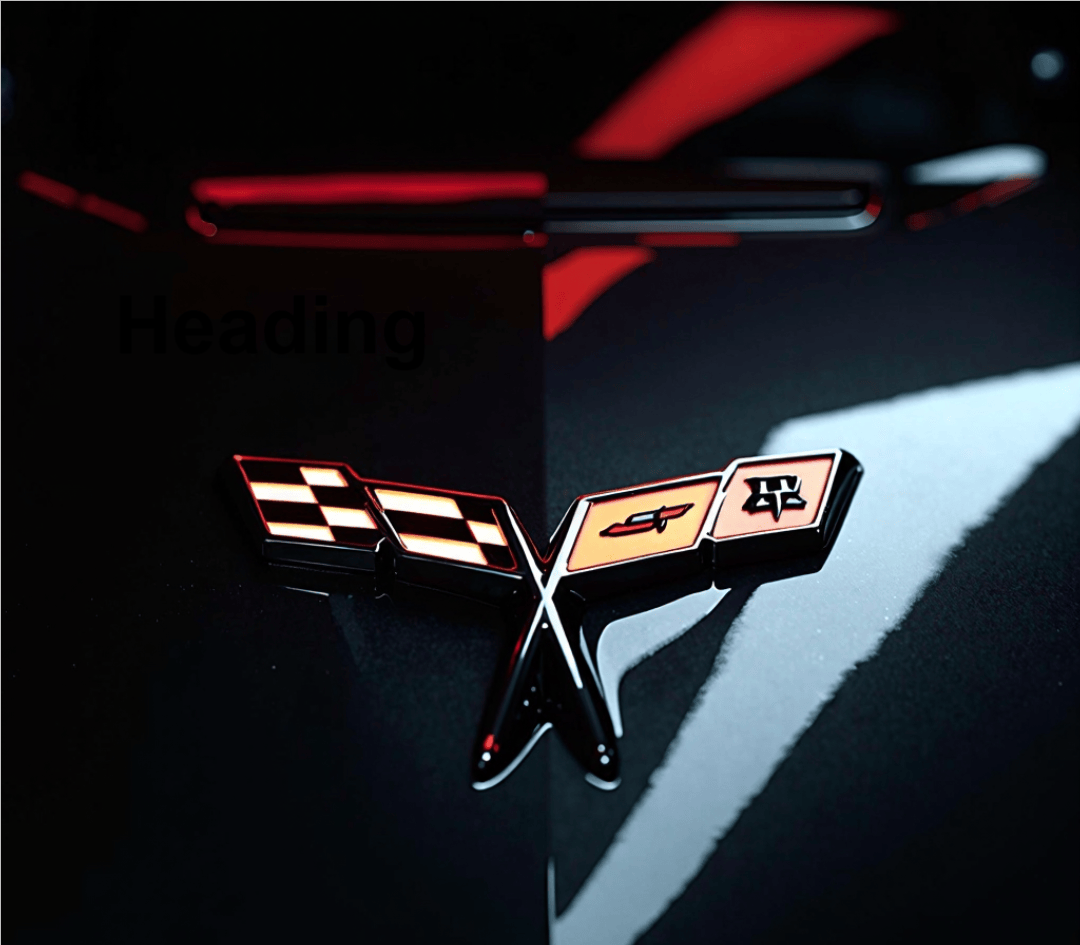



The Revival of the Manual Transmission
As car enthusiasts, we often find ourselves reminiscing about the pleasures of driving a manual transmission. In today's era of sleek technology and rapid automation, the notion of a manual gearbox evokes a sense of nostalgia and connection to the road. Recent trends indicate a resurgence in demand for manual transmissions among sports cars after years of being overshadowed by rapid-fire dual-clutch systems. The question is: Are consumers willing to pay a premium for this experience?
Market Trends and Consumer Interest
The fast-paced automotive market is quickly adapting to shifting consumer preferences. Many sports car enthusiasts have come to realize that raw speed alone does not satiate their driving desires. The thrill of manually changing gears, mastering the clutch, and the tactile feel of the road beneath your tires offer a rewarding driving experience that technology sometimes fails to replicate. According to market observations, both Ferrari and Porsche are capitalizing on this trend by offering manual options at a premium price, prompting speculation on whether General Motors will follow suit with the C9 Corvette.
Pricing the Manual Option: What's Fair?
So let's get to the crux of the matter: how much would you, the passionate Corvette owner, be willing to pay for the option of a manual transmission in the upcoming C9 Corvette? While the Rezvani conversion, which mimics a manual experience, is priced at an outrageous $25,000, the question remains what the true value of a real manual would be. Would you consider $10,000 fair, or perhaps even $5,000? The market expectations can differ vastly, and establishing the right balance between affordability and desirability is crucial.
Counterpoints: The Technology Dilemma
While many enthusiasts yearn for a manual, it’s essential to recognize the technological advances of modern automatic transmissions. Dual-clutch systems offer blistering speeds and shifts that are often unmatched by any human. As Tony Roma, Executive Chief Engineer, points out, introducing a manual transmission would need to be financially viable for GM's stakeholders. Companies must weigh the increased production costs against market demand. Furthermore, the question of whether a manual option resonates with younger buyers, who are increasingly drawn to high-tech vehicles and electric models, plays a significant role in this equation.
The Emotional Connection to Manual Driving
To some, driving a manual car is more than just a method of propulsion; it's a lifestyle choice, a statement of individuality. The thrill of rowing through the gears represents a bond between driver and machine, an artist and their craft. You become one with the car as you navigate curves, shift through gears, and feel the car's power rev under your command. This connection is what sets manual driving apart from the rapid efficiency of automatics and makes it worth considering for the C9 Chevrolet Corvette.
Future Insights: Where Does GM Stand?
In an industry rife with challenges, the next steps for GM will be crucial. With competition brewing from both traditional manufacturers and electric startups, the choice to introduce a manual option for the Corvette could be a bold move. That said, GM must ensure that this option aligns with evolving consumer values—particularly the appreciation for engagement and connection in driving experiences. The moves they make in response to trends can potentially define their presence in the performance sports segment.


Write A Comment